
The Unwritten City
San Diego makes plenty of art. Its critics live here. The pages keep dying. An argument for criticism, and an invitation.
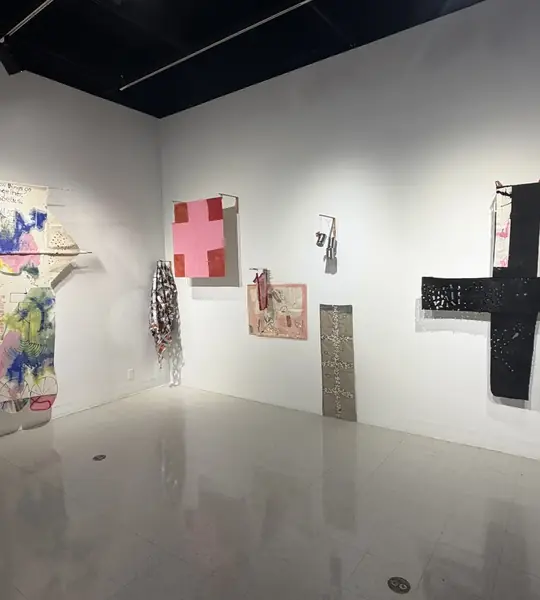
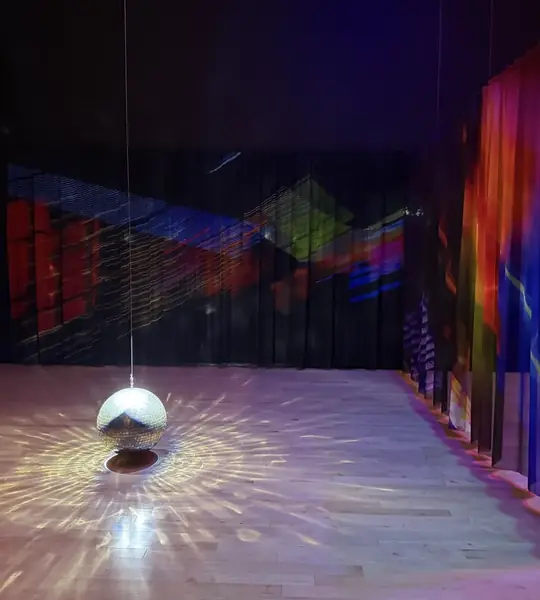
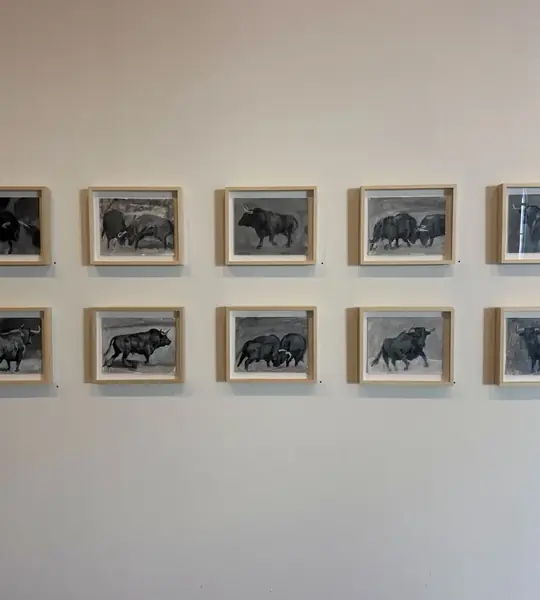
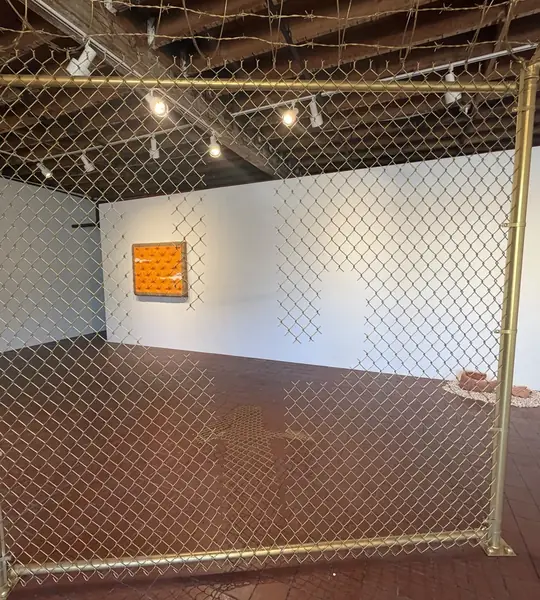
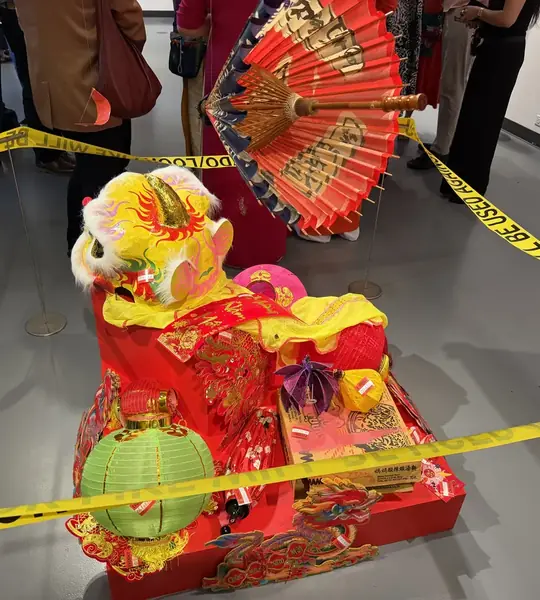
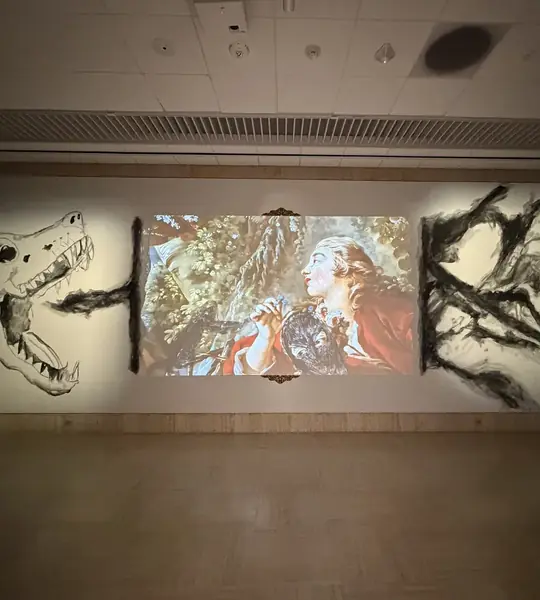
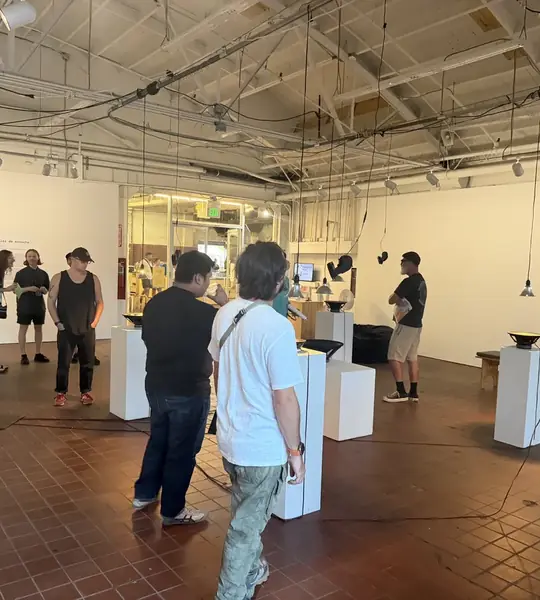
Ten weeks. In that span this city put speakers full of rocks and hazelnuts in the Athenaeum Art Center, sent a charcoal skeleton after a Boucher at the Timken, and spread a smuggled refugee archive across tables at Mesa College. A border fence, gilded, raveled open into the shape of a cactus at BEST PRACTICE. Wall-sized bulls came home to Bread & Salt from a Yale studio. MCASD filled its La Jolla galleries with the dance floors and disco balls of queer nightlife, and a university gallery out at SDSU burned beeswax under Rosalind Krauss's name. Our critic panned some of it and defended pieces of most of it, and the verdicts aren't the point here. The point is that it happened. A real scene, working, from Logan Heights to La Jolla. And almost nobody wrote it down.
Exhibitions die faster than any other art form. The mural gets painted over. The tape comes down, the fence goes back to the studio, the wall goes white again for the next thing. What outlives a show is the account of it — and no, the press release doesn't count, that's advertising, and neither does the checklist. We mean a stranger standing in the room, saying what happened there and whether it mattered. By that measure, a show nobody writes about didn't quite occur.
We went looking for when the silence started and found it has anniversaries. In 1992 the Los Angeles Times folded its San Diego County edition, taking with it the weekly art column Leah Ollman wrote there; she carried on for the Times proper, which meant her beat became Los Angeles. In June 2010 the Union-Tribune laid off Robert L. Pincus, its art critic of twenty-five years. People campaigned to bring him back. The paper didn't budge, and the seat has never been refilled, there or anywhere in the county. Here is the detail that stays with us: days before the layoff, Pincus closed a review of a San Diego survey by writing that the era of this city's artists being under-recognized was about to end. He was right about the artists. The city then abolished the job of recognizing them, that same week. For two decades there was one durable exception: the San Diego Reader's monthly art column, written from 2000 to 2019 by the poet W.S. Di Piero — who lived in San Francisco. Even our criticism commuted. The column ended in 2019; the alt-weekly that kept arts pages folded in 2020. And in 2020 Elizabeth Rooklidge, who had been a curator at MCASD, built the thing the institutions wouldn't — HereIn, an online journal of real exchange about San Diego art, run on volunteer stubbornness, hers first of all. It lasted five years. Its About page now uses the past tense, which is the quietest way a publication can die. What's left in 2026 is the calendar and the preview: KPBS's listings, Julia Dixon Evans faithfully telling the county where to go; the Union-Tribune's freelance previews and artist profiles, and a series in which curators describe their own exhibitions. Necessary work, honorably done — and not the same job as criticism, as most of the people doing it would be first to say. The question is who's left to say whether any of it was good — and at the moment the answer is a two-month-old journal and a pen name.
Now notice what those dates don't say. They don't say San Diego lacks critics. Ollman has lived here through all of it — corresponding editor of Art in America since 1997, one of the most respected art writers in the country, filing to Los Angeles and New York because that's where the pages were. She said the quiet part in an interview more than a decade ago — the critical discourse here had diminished — and nothing since has refilled it. Pincus stayed too; he has taught art criticism at the University of San Diego for years, and teaches there still. Rooklidge has kept curating and teaching around town. The talent never went anywhere. The outlets died underneath it, one at a time, until this place managed something almost impressive: a city that exports even its criticism. Thirty years of San Diego's minutes, kept in other cities' papers.
People defend the silence as kindness. Small scene, everyone knows everyone, why hurt feelings. We'd call that kindness something else: a curve. Praise-only coverage grades a city on a curve, and the curve quietly assumes the work can't survive comparison, so comparison gets withheld. Every review this journal has run did the opposite — put the local thing next to the big frightening names, Lucier, Diderot's original complaint about Boucher, Boltanski's rehearsed shadows, the go-go platform González-Torres built in 1991 — because that's what taking work seriously looks like. Artists know the difference in their bones. It's part of why the ambitious ones leave for cities that argue, and why their homecomings get filed here under events. And of all cities, this one should remember it used to matter without anyone's permission. Baldessari was a kid from National City. The university on the mesa hired Allan Kaprow and Eleanor Antin when that took nerve. inSITE strung serious art across the actual border for thirteen years. Canon has happened here before. Writing it down is the part we stopped doing.
One more thing, because "critic" sounds like a verdict machine and that's not the job. A review is an opening bid. When this journal errs in print — and it will — the correction will run on the piece itself, with credit to whoever caught it. We'll print your letters, and if you think a review got a show wrong, write the counter-review and we'll run that too. An artist's rebuttal isn't a problem for this enterprise. Honestly, it's the goal — a pan that sends somebody back to the gallery to prove us wrong has done more for that show than three paragraphs of praise ever would.
So, the invitation. The artists are here; the season proved it. The rooms are here, many of them free. The writers, as it turns out, were here all along. What's missing is a page, and a page is the one piece of arts infrastructure that doesn't need a capital campaign. Others built pages before us — Ollman ran an award-winning art newsletter out of a San Diego museum decades ago, Rooklidge carried HereIn as far as volunteers could — and the only honest tribute is to last longer and spread the debt around. If you write, pitch us. Pen names are welcome; identities stay known to the editor; the standards don't bend. If you make the work, put us on your list, and when we blow the call, say so in print, ours. If you run an institution, add us to the press list and grow the skin scrutiny requires — being argued about is the compliment. And if all you do is go to things: you're the whole point. Say what you saw, out loud, to someone.
The app finds what's worth seeing. The journal argues about whether it was. The city does the rest. A place turns into an art city the day it starts writing itself down, and stays one exactly as long as the writing stays honest. San Diego, the minutes are open. Go see. Come back. Write it down.
Sees Journal publishes independent art criticism from San Diego. Pitches, letters, corrections, and exhibition announcements: use our contact page. Contributors may write under pen names; identities are known to the editor, who stands behind every piece.